Embracing new technology without losing the art—or the ethics—of photography.
Today, that question surrounds artificial intelligence.
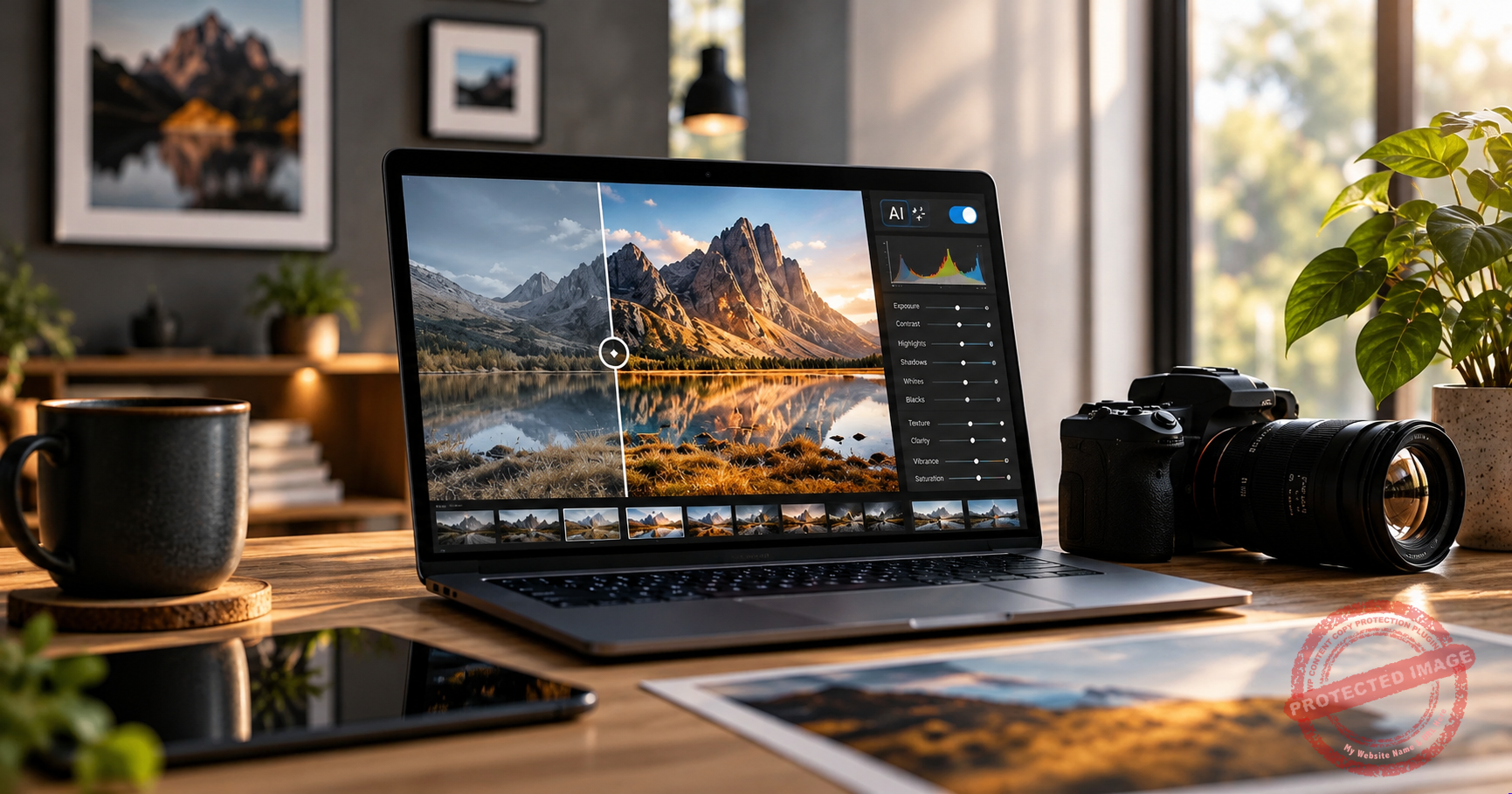
As a photographer, I believe AI represents an exciting evolution in photographic editing. In fact, many of the tools we already use, including intelligent masking, noise reduction, and automated corrections, rely on AI or related technologies.
So why are some photographers so reluctant to embrace it?
The Fear of Losing the Craft
I understand some of the resistance. Photography requires patience, technical knowledge, an understanding of light, and an artistic eye. There are legitimate concerns about AI training practices, authenticity, and the possibility of synthetic images being presented as genuine photographs.
But I don’t believe rejecting AI is the answer.
Photographers have always used technology to refine their images. We dodged and burned in darkrooms, corrected exposure and color digitally, and removed distracting elements using traditional editing tools.
AI simply gives us new ways to accomplish some of those tasks, often more efficiently.
And using a more sophisticated tool doesn’t erase the skill involved in taking the original photograph.
Editing Versus Creative Transformation
I’ve been exploring this distinction through my own photography.
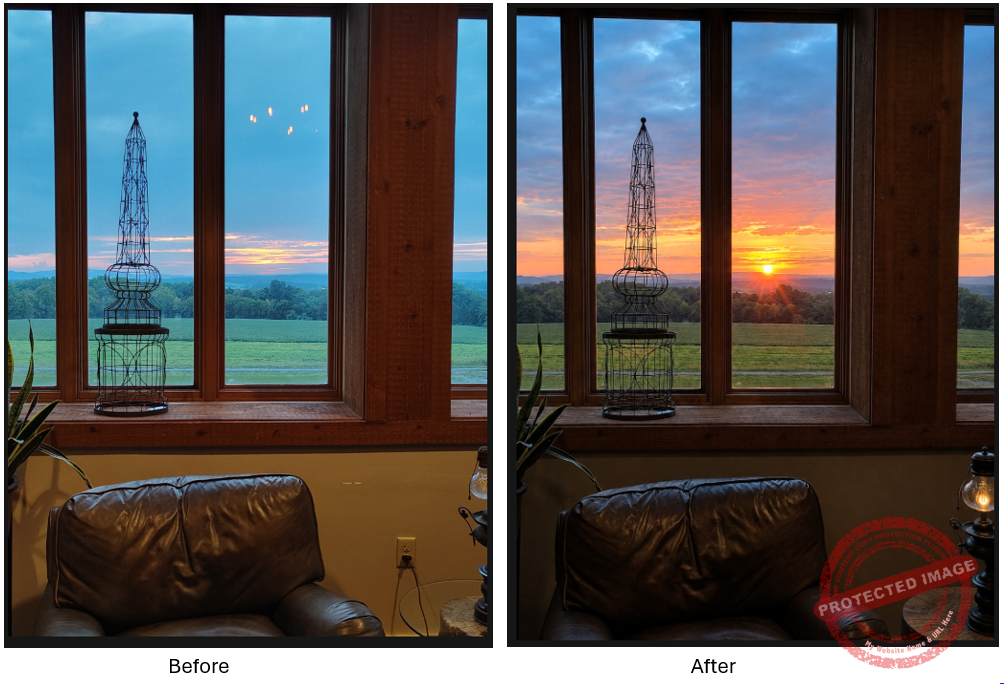
In one photograph, I captured a sunset through a window. The original image needed some color and lighting adjustments, and a pesky electrical outlet distracted from the composition. With AI assistance, I corrected those issues.
The result remained fundamentally my original photograph, simply edited to better reflect my vision.
Another experience involved sunflowers I’d photographed in my garden. I envisioned those flowers in a field with a forest beyond them. Using AI, I transformed the original setting into something closer to that imagined composition.
This was different. The finished image was no longer a straightforward representation of the scene I’d photographed. It had become a new artistic interpretation, using my original photograph as its foundation.
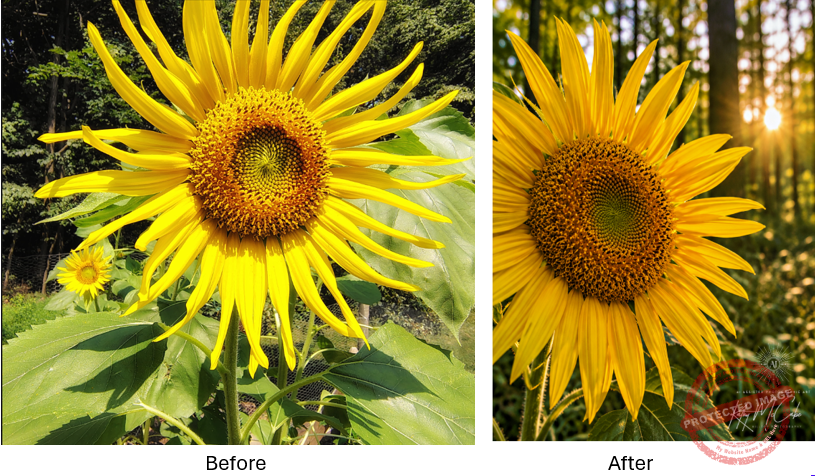
Both involved AI, but the creative processes were different. And I believe that distinction matters.
Watermarks, Transparency, and Artistic Integrity
Some AI platforms apply visible labels or embed metadata identifying AI-generated or AI-modified images. I understand the reasoning. Synthetic imagery can be used to mislead people, and transparency is important.
But I also believe a generic “Made by AI” label can oversimplify the creative process.
Should a photograph that received minor AI-assisted retouching carry the same prominent label as an image generated entirely from a text prompt?
I don’t think those are equivalent.
I regularly collaborate with AI to create promotional illustrations for my businesses, and I generally credit both the business and OpenAI. That feels appropriate because the images are generated through a collaborative creative process.
But when I’m editing one of my own photographs, the distinction becomes more personal.
Recently, I created a variation of my Hilltop Photography watermark specifically for photographs I’ve substantially transformed with AI. It retains my original signature but adds:
AI-ASSISTED PHOTOGRAPHIC ART
For ordinary photographic corrections, I continue using my traditional watermark. For creative transformations, the additional acknowledgment reflects how the finished artwork was developed.
It’s not about hiding AI involvement. It’s about describing it accurately.
Of course, context matters. Documentary photography, photojournalism, competitions, and other work requiring faithful representation may have much stricter standards. Alterations that change the factual meaning of an image should never be passed off as unaltered reality.
Ethical photography isn’t simply about which tools we use. It’s about how honestly we present the results.
Don’t Be Afraid to Explore
If you’ve been hesitant to try AI in your photography, I’d encourage you to experiment.
Start with something familiar: noise reduction, correcting exposure, refining a mask, or removing a distracting background element. Compare the results with your traditional editing methods.
You don’t have to embrace every feature, and you certainly don’t have to abandon the skills you’ve spent years developing.
But don’t let fear of new technology keep you from discovering what it might offer.
The photographer still recognizes the light, chooses the composition, captures the moment, and makes the artistic decisions. AI may help refine or transform the result, but it doesn’t eliminate the importance of creative judgment.
I don’t believe photographers should have to apologize for using modern tools to realize their creative vision. I believe they should take responsibility for the images they create and the stories those images tell.
Photography has always evolved, and it will continue to do so.
The tools may change, but the creative eye behind the camera still matters.
— Kathy McCabe, Hilltop Photography