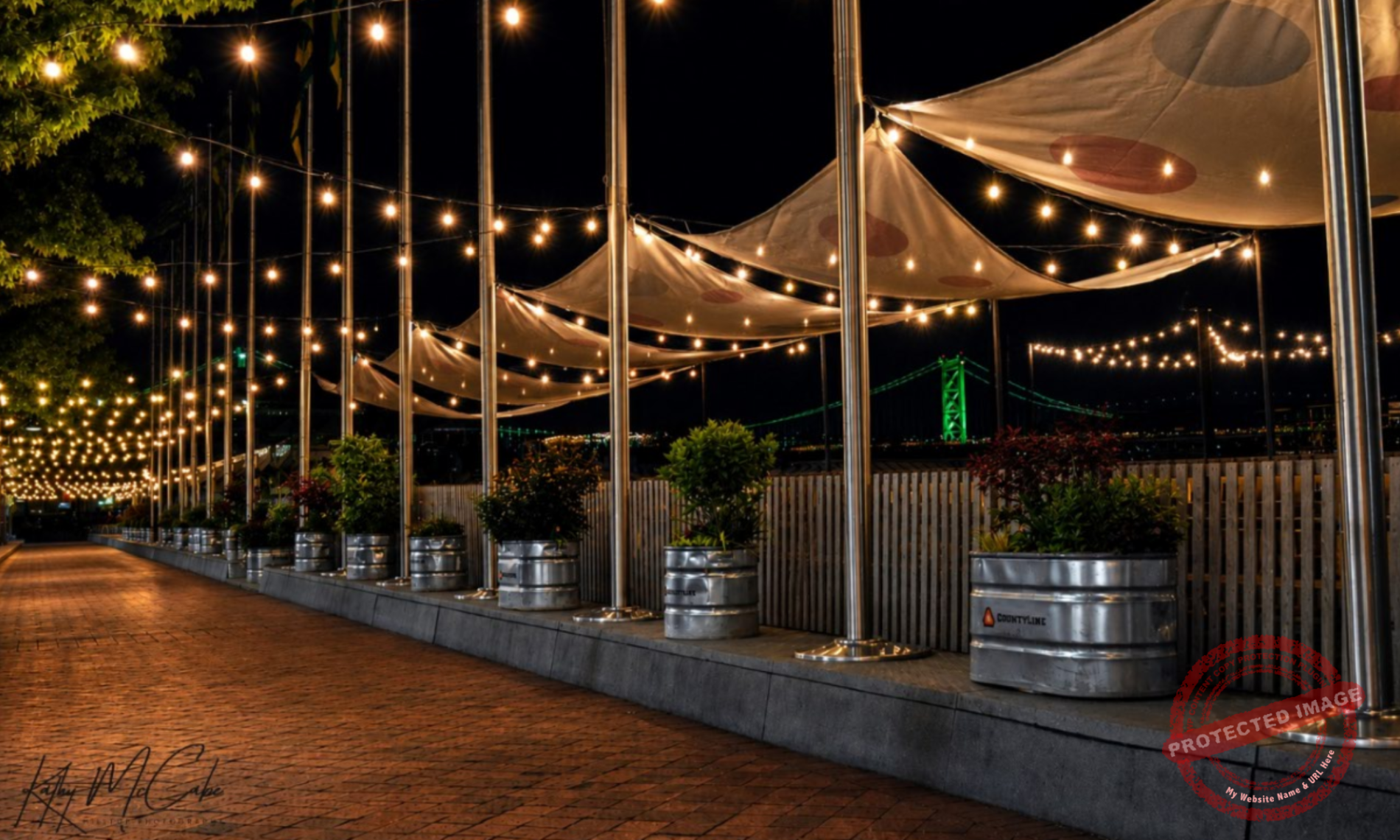
Canopy of Light Receives ViewBug’s Pause Award

There are many photography awards that recognize technical excellence, composition, or creativity. Those are all wonderful achievements, but every so often, an award comes along that celebrates something a little more personal.

I’m honored to share that my photograph, Canopy of Light, has received ViewBug’s Pause Award.

According to ViewBug, the Pause Award recognizes photographs that do something increasingly rare—they make people stop. In an age of endless scrolling and split-second decisions, these are images that invite viewers to linger, explore the details, and experience the feeling behind the photograph.

When I first read the award description, it resonated with me immediately.

As a photographer, I’ve never been interested in creating images that simply document a place. My goal has always been to capture atmosphere—the quiet moments, the interplay of light and shadow, and those scenes that evoke an emotion long after you’ve looked away.

Canopy of Light is one of those photographs.

The warm glow of the string lights, the graceful curves of the canopy, and the calm evening atmosphere came together to create a scene that felt peaceful the moment I pressed the shutter. It wasn’t about finding the loudest subject or the most dramatic location. It was about recognizing a moment that many people might have walked past without noticing.

Receiving the Pause Award tells me that the photograph communicated exactly what I hoped it would.

One of my favorite parts of the award description reads:

“…the most impactful images aren’t the loudest—they’re the ones that quietly linger in our minds long after we’ve seen them.”

I couldn’t ask for a better compliment.

Photography continues to teach me that sometimes the quietest images leave the strongest impression.

Thank you to everyone who has followed my journey, encouraged my work, visited my exhibitions, and shared my photographs with others. Your support makes moments like this even more meaningful.

I’m excited to continue creating images that invite people to slow down, look a little longer, and discover the beauty that’s often hiding in plain sight.  Canopy of Light is available in the Bright Lights category, or on our Pixels page.

Thank you for being part of that journey.

Kathy
Don’t Forget the Fundamentals: A Photographer’s Field Checklist

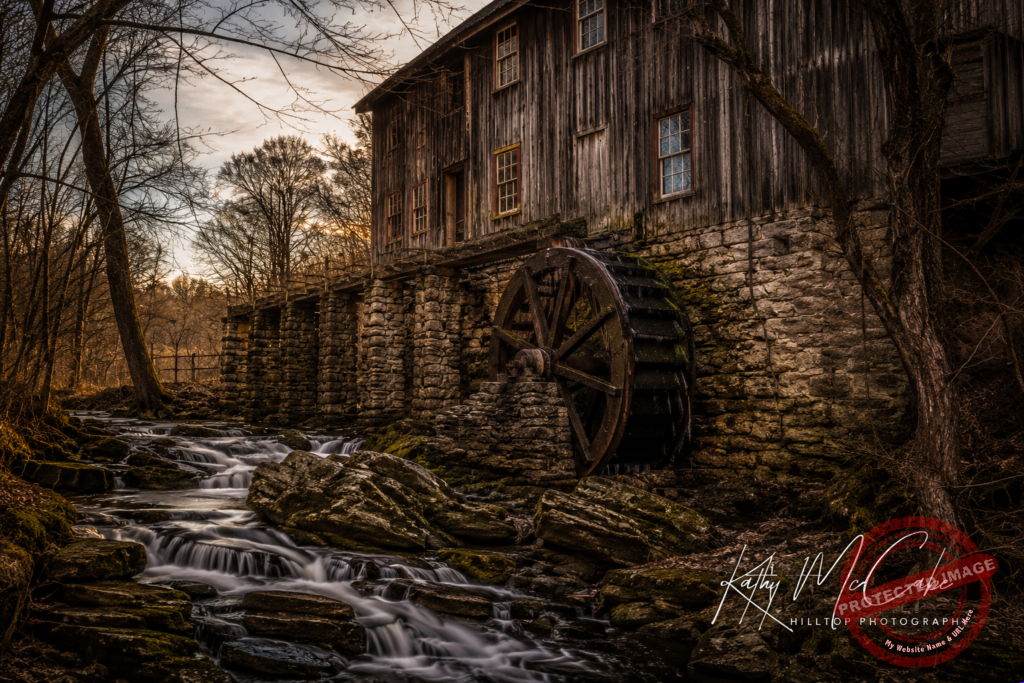
Image by Hilltop Photography & OpenAI (Not representative of Shanks Mill)
Last Friday, while photographing Shanks Mill and Farm in Fairfield, PA, I found myself doing something that many photographers have done at least once. I became so excited about the location that I immediately started chasing interesting details, textures, and creative compositions.

There is nothing wrong with that. In fact, that excitement is part of what makes photography enjoyable. The problem is that excitement can sometimes distract us from capturing the fundamental images that tell the complete story of a location.

By the time I realized it, I had already spent considerable time exploring artistic angles before documenting some of the essential views, and I also missed a few shots that would have helped tell the full story of the mill.

It was a good reminder that every successful photo shoot benefits from a simple plan.

The Four Types of Images Every Photographer Should Capture

Over the years, I’ve found that most locations can be photographed using four basic categories of images.

1. Establish the Scene

Before zooming in on details, take a step back.

Capture wide views that show the location in context. Photograph the scene from multiple directions and include the surrounding environment whenever possible. These images become invaluable when writing blog posts, documenting historic locations, or telling the complete story of a place.

2. Document the Subject

Whether you’re photographing a historic mill, a barn, a bridge, or a city street, make sure you thoroughly document the subject itself.

Photograph the structure from multiple angles and perspectives before moving on to more creative compositions. You may never have another opportunity to capture that location under the same conditions.

3. Capture the Details

Once the overall scene is documented, start looking for the smaller elements that reveal character.

Weathered wood, rusted hardware, architectural details, signs, textures, stonework, and evidence of age often become some of the most interesting photographs from a shoot.

4. Create the Art

This is where the fun begins.

After you’ve captured the documentary images, give yourself permission to experiment. Look for unique perspectives, reflections, leading lines, dramatic light, and abstract compositions. These are often the photographs that end up framed on walls, entered into exhibitions, or added to your portfolio.

My New Rule

I’ve decided to adopt a simple rule for future photo shoots:

Document first. Create second.

The artistic images may be the photographs that attract attention, but the documentary images preserve the memory of the place and ensure that nothing important is forgotten.

Free Download: Photography Field Worksheet

To help myself stay organized during future photo adventures, I created a printable Photography Field Worksheet that includes:

• Essential shot checklist

• Location and equipment notes

• Must-have shot planning

• Creative idea tracking

• Return visit notes

• Light direction and timing observations

If you’d like a copy for your own camera bag, you can download it below and take it with you on your next photo shoot.

[DOWNLOAD THE PHOTOGRAPHY FIELD WORKSHEET]