There is nothing wrong with that. In fact, that excitement is part of what makes photography enjoyable. The problem is that excitement can sometimes distract us from capturing the fundamental images that tell the complete story of a location.
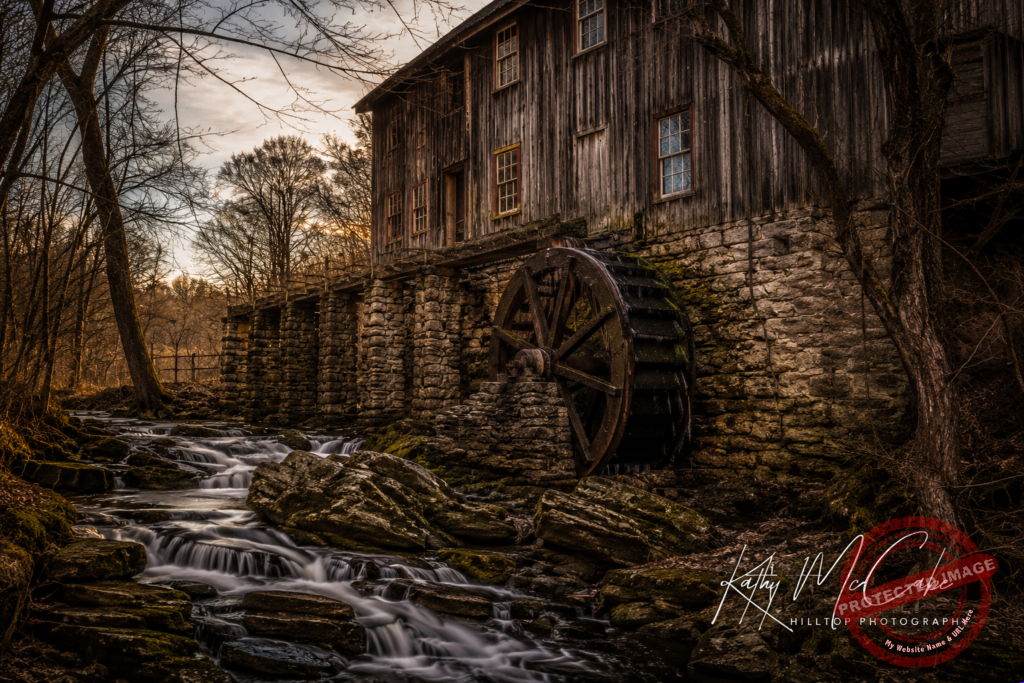
By the time I realized it, I had already spent considerable time exploring artistic angles before documenting some of the essential views, and I also missed a few shots that would have helped tell the full story of the mill.
It was a good reminder that every successful photo shoot benefits from a simple plan.
The Four Types of Images Every Photographer Should Capture
Over the years, I’ve found that most locations can be photographed using four basic categories of images.
1. Establish the Scene
Before zooming in on details, take a step back.
Capture wide views that show the location in context. Photograph the scene from multiple directions and include the surrounding environment whenever possible. These images become invaluable when writing blog posts, documenting historic locations, or telling the complete story of a place.
2. Document the Subject
Whether you’re photographing a historic mill, a barn, a bridge, or a city street, make sure you thoroughly document the subject itself.
Photograph the structure from multiple angles and perspectives before moving on to more creative compositions. You may never have another opportunity to capture that location under the same conditions.
3. Capture the Details
Once the overall scene is documented, start looking for the smaller elements that reveal character.
Weathered wood, rusted hardware, architectural details, signs, textures, stonework, and evidence of age often become some of the most interesting photographs from a shoot.
4. Create the Art
This is where the fun begins.
After you’ve captured the documentary images, give yourself permission to experiment. Look for unique perspectives, reflections, leading lines, dramatic light, and abstract compositions. These are often the photographs that end up framed on walls, entered into exhibitions, or added to your portfolio.
My New Rule
I’ve decided to adopt a simple rule for future photo shoots:
Document first. Create second.
The artistic images may be the photographs that attract attention, but the documentary images preserve the memory of the place and ensure that nothing important is forgotten.
Free Download: Photography Field Worksheet
To help myself stay organized during future photo adventures, I created a printable Photography Field Worksheet that includes:
• Essential shot checklist
• Location and equipment notes
• Must-have shot planning
• Creative idea tracking
• Return visit notes
• Light direction and timing observations
If you’d like a copy for your own camera bag, you can download it below and take it with you on your next photo shoot.